
Dental implants planned from the final tooth backward.
A dental implant replaces a missing tooth root and supports a crown, bridge, or denture. The safest plan starts with bone, gum, bite, health history, and the design of the final tooth.
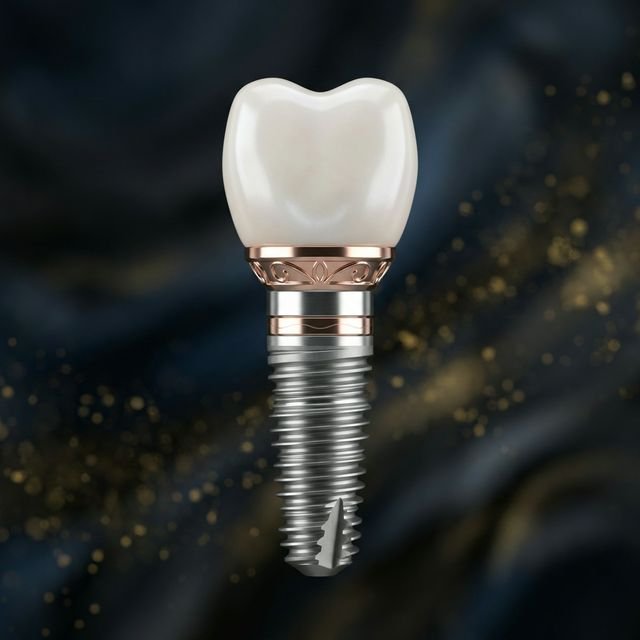
Root replacement, not just a tooth
The implant position decides the crown, gumline, and bite.
Good implant planning connects surgery with the final tooth you will chew and smile with.
Replaces
Tooth root and crown
Planning
3D bone map
Timeline
Healing-dependent
Care
Lifelong maintenance
What implants do
An implant is a foundation for a replacement tooth.
The implant sits in bone like an artificial root. The visible crown, bridge, or denture attachment is designed later, but its position must be planned before surgery.
Bone
Support
Gum
Seal and shape
Crown
Final tooth
Suitability
Implants need the right biological foundation.
A missing tooth does not automatically mean an implant can be placed immediately. Bone, gums, health, timing, and bite all shape the plan.
Good foundation
Healthy gums, enough bone, stable bite, and controlled medical factors give implants a better starting point.
Needs preparation first
Gum disease, infection, smoking risk, uncontrolled diabetes, or low bone volume may need treatment or extra planning.
May need grafting
If bone has shrunk after tooth loss, grafting or sinus lift planning may be discussed before implant placement.
May need another option
A bridge, denture, or delayed plan may be safer if bone, health, budget, or timing makes implants unsuitable.
Implant options
Not every implant plan replaces teeth one by one.
Single implant crown
Replaces one missing tooth without preparing the neighboring teeth.
Implant bridge
Uses implants to support several missing teeth in a row without one implant for every tooth.
Full-arch implants
Used when many or all teeth are missing or failing and a fixed full-arch solution is being considered.
Implant-supported denture
Adds stability to a removable denture in suitable cases, especially where looseness is a problem.
Planning checks
Surgery is planned around the final restoration.
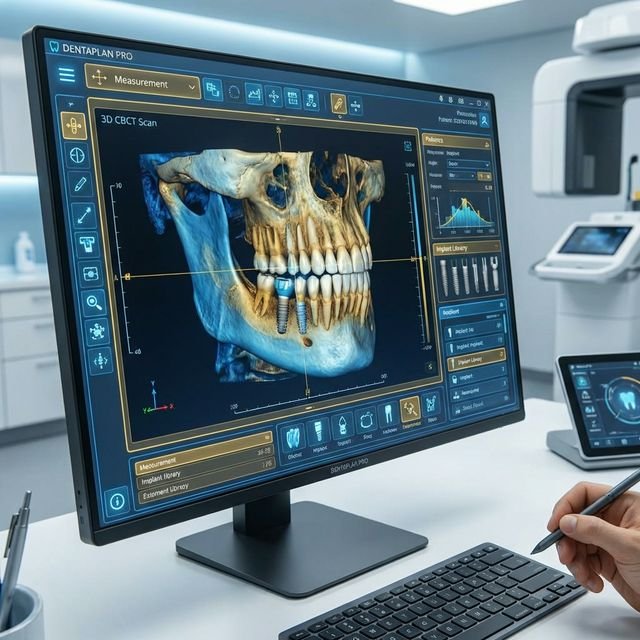
CBCT bone map
A 3D scan helps assess bone height, width, sinus position, and nerve location before surgery.
Crown-first design
Implants are planned from the final tooth backward: crown position, bite, gum shape, bone, then implant.
Health and healing
Medical history, medications, smoking, diabetes, and gum health can affect healing and suitability.
Bite load
Grinding, clenching, and bite force influence implant number, crown design, and guard recommendations.
Implant journey
The timeline depends on healing, not hurry.
Some cases are straightforward. Others need extraction healing, grafting, sinus planning, or a temporary tooth before the final crown is fitted.
Consultation
We review the missing tooth, nearby teeth, gums, bite, medical history, and your replacement goals.
Digital plan
Scans and measurements help decide implant position, bone needs, temporary tooth options, and timeline.
Placement
The implant is placed under local anesthesia. Some cases need grafting or staged healing before the final tooth.
Healing
The implant integrates with bone. The timing varies depending on bone quality, grafting, and loading plan.
Final crown
The visible tooth is designed for shape, shade, gum contour, bite, and cleaning access.
Compare missing tooth choices
The best replacement depends on the mouth, not the marketing.
Implant
Replaces the root independently and avoids preparing neighboring teeth, but needs bone, surgery, and healing time.
Bridge
A fixed replacement supported by neighboring teeth. It can be useful when support teeth already need crowns.
Denture
A removable replacement that can be more affordable or useful when multiple teeth are missing.
Leave the space
Sometimes possible, but gaps can affect chewing, tooth movement, bite balance, and smile confidence.
Aftercare and maintenance
Implants cannot decay, but gums around them still matter.
Long-term success depends on cleaning, gum monitoring, bite control, smoking risk, and regular professional maintenance.
Keep the surgical area clean without disturbing early healing.
Use soft foods while the implant site begins healing.
Avoid smoking because it can slow healing and raise risk.
Take medication only as directed.
Attend review visits so healing can be checked.
Maintain professional cleaning around the implant long term.
What affects implant cost?
Cost depends on how many teeth are replaced, bone and gum requirements, imaging, surgical complexity, temporary tooth options, and final crown or bridge design.
The implant is only one part of the final tooth.
A clear estimate should separate imaging, surgery, grafting if needed, temporaries, abutment, final crown, and maintenance so you know what the plan includes.
Get My Implant PlanQuestions patients ask
Dental implants FAQs
Book implant assessment
Start by finding out whether an implant is the right replacement.
Tell us which tooth is missing or failing, how long it has been missing, and whether you have previous scans. We will guide the next step.