
Scaling and polishing that resets the gumline.
We remove tartar, biofilm, and surface stains while checking why buildup is collecting and how your gums are responding.
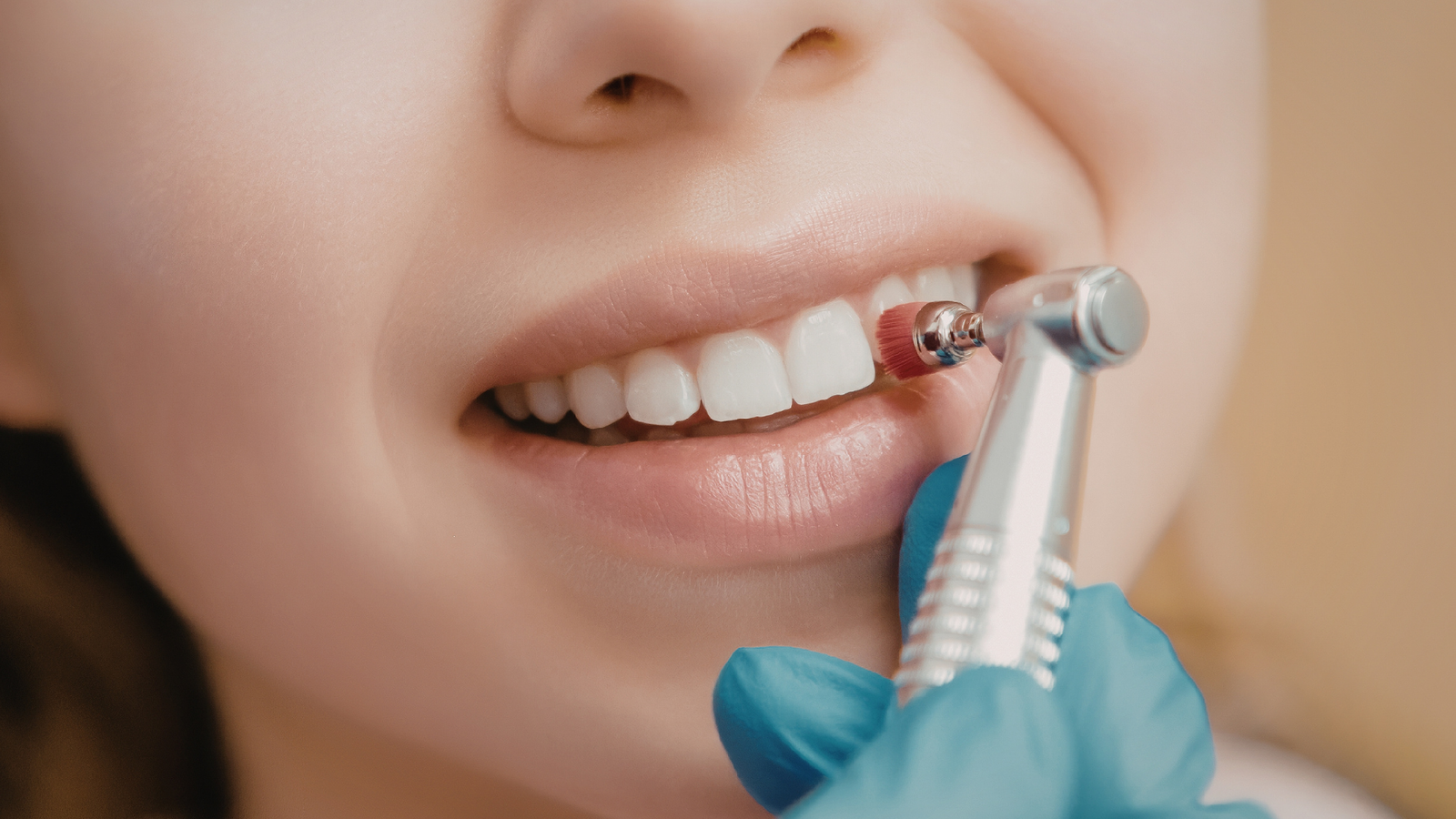
Hygiene focus
Smooth teeth are only part of the story.
Healthy cleaning also looks at bleeding, tartar patterns, breath, sensitivity, and the tools you use at home.
Removes
Tartar and biofilm
Helps
Bleeding gums
Polish
Surface stains
Next step
Maintenance interval
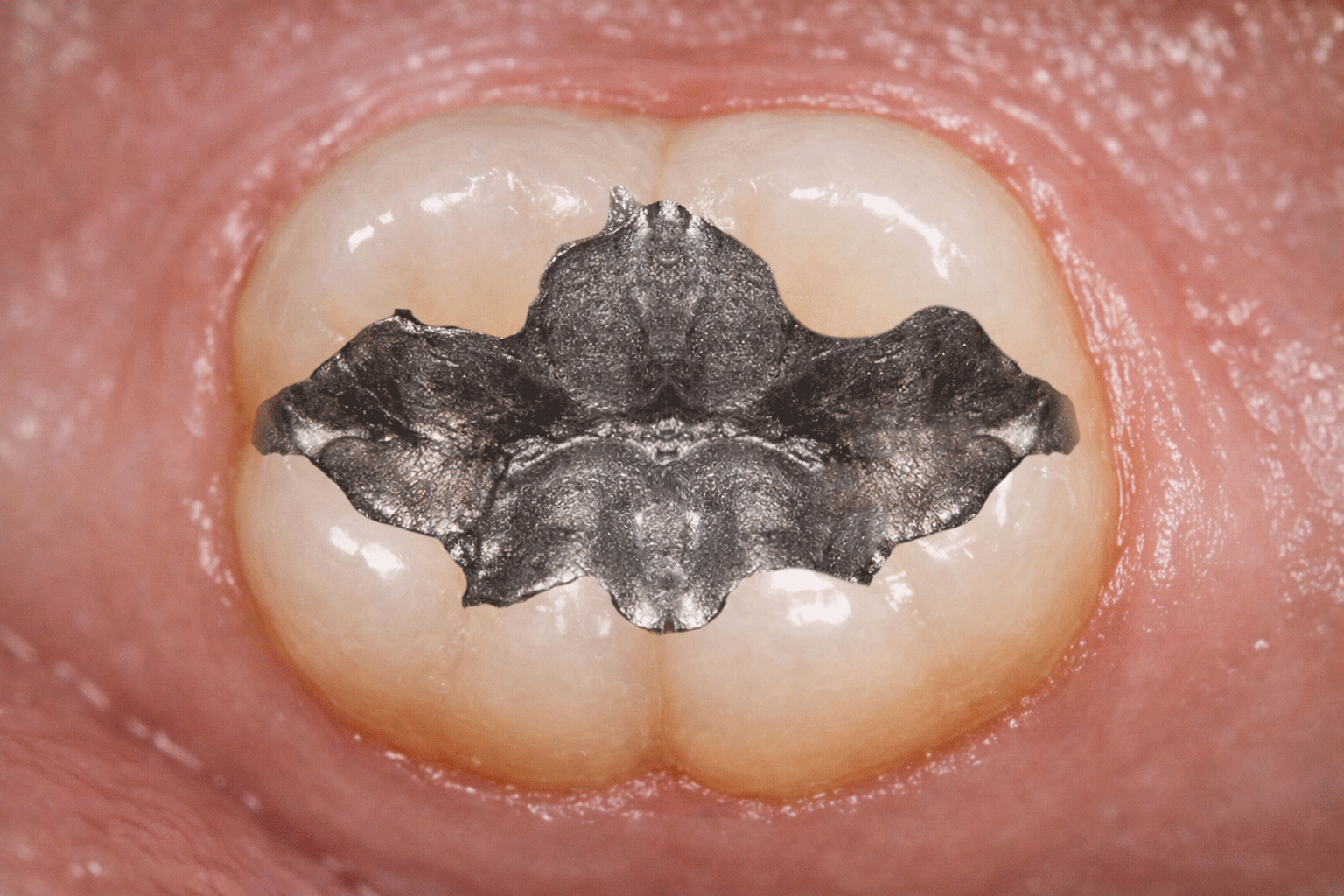
More than a polish
Cleaning is about the bacteria your toothbrush cannot remove anymore.
Once plaque hardens into tartar, it stays attached to the tooth and keeps irritating the gumline until it is professionally removed.
Remove
Tartar
Calm
Gums
Guide
Home care
Buildup, decoded
Plaque is soft. Tartar is locked on.
Understanding the difference helps patients know what can be fixed at home and what needs a dental hygiene visit.
Biofilm
A soft bacterial layer forms daily on teeth and around the gumline. Brushing disrupts it before it matures.
Plaque
When biofilm thickens, it can irritate gums and hold acids close to enamel.
Tartar
Plaque hardens into tartar when minerals from saliva lock it onto the tooth. A toothbrush cannot remove it.
Surface stain
Coffee, tea, smoking, and colored foods can attach to rough deposits and make teeth look dull.
Gum signals
Bleeding is common. It is not something to ignore.
Hygiene care is worth booking when the gums, breath, or tooth surfaces keep giving you the same signs.
Bleeding when brushing
Tartar behind lower front teeth
Bad taste near the gumline
Breath that returns quickly
Gums that feel puffy or tender
Stains that do not brush away
Food trapping near the gum
A rough feeling on tooth surfaces
Appointment flow
A hygiene visit should teach you something about your mouth.
Map
We check plaque, tartar, gum bleeding, stain, sensitivity, and areas that are difficult to clean.
Scale
Hardened buildup is removed from around teeth and the gumline with controlled instruments.
Polish
The tooth surface is smoothed so it feels cleaner and collects stain less easily.
Coach
You leave with specific brushing, floss, or interdental brush advice based on what we found.
Between visits
The cleaner result lasts longer when the daily routine fits your mouth.
Brush the gumline, not only the tooth tips
Plaque builds where teeth meet gums. A small angle change can make brushing more effective.
Use the right interdental size
Floss is not always enough. Some spaces clean better with small interdental brushes.
Do not stop because gums bleed
Bleeding usually means inflammation. Gentle daily cleaning helps gums settle over time.
Match products to your risk
Sensitivity, dry mouth, decay risk, and gum risk may all need different toothpaste or rinse advice.
Maintenance rhythm
Six months is common, but it is not a rule for everyone.
Your recall interval should reflect how quickly buildup returns and whether your gums are stable.
Light buildup
You may only need routine hygiene at your normal check-up interval if gums are stable.
Bleeding gums
Shorter recall may be advised until bleeding reduces and home cleaning improves.
Heavy tartar or stains
Frequent coffee, tea, smoking, dry mouth, or crowded teeth can mean buildup returns faster.
Gum disease history
Periodontal maintenance can be different from standard polishing and may need closer monitoring.
What to expect after cleaning
Teeth may feel unusually smooth, and gums can feel tender if inflammation or tartar was heavy.
Expect mild tenderness if tartar was heavy or gums were inflamed.
Use the interdental brushes or floss size we recommend.
Avoid strong staining drinks for a short period if advised.
Do not brush aggressively to chase a cleaner feeling.
Tell us if sensitivity does not settle.
Return at the interval recommended for your gum risk.
Misunderstandings
A dental clean can look cosmetic, but its purpose is health.
These are the points we usually clarify when patients ask whether cleaning is only for stain removal.
Myth: polishing is the same as whitening
Polishing removes surface stains. Whitening changes the internal shade of natural teeth.
Myth: scaling makes teeth weak
Scaling removes deposits stuck to the teeth. If teeth feel different afterward, it is often because tartar had been covering spaces or gum recession.
Myth: bleeding gums are normal
Bleeding is common, but it usually means inflammation that should be cleaned and monitored.
What affects hygiene visit cost?
The fee depends on how much buildup is present, whether stain removal or airflow is needed, and whether the gums need deeper assessment.
A clean mouth should be easier to maintain.
We do not just polish and send you away. We show the areas that keep collecting buildup and how to control them.
Book Hygiene VisitQuestions
Before your hygiene visit
Book your hygiene visit
Reset your teeth and understand your gums.
Tell us about bleeding, stains, breath concerns, or sensitivity. We will clean carefully and explain what your mouth needs next.