
Crowns and bridges that restore strength, shape, and chewing confidence.
A crown protects a weakened tooth. A bridge replaces a missing tooth using neighboring teeth for support. Both need careful planning around tooth structure, gum health, material, and bite.
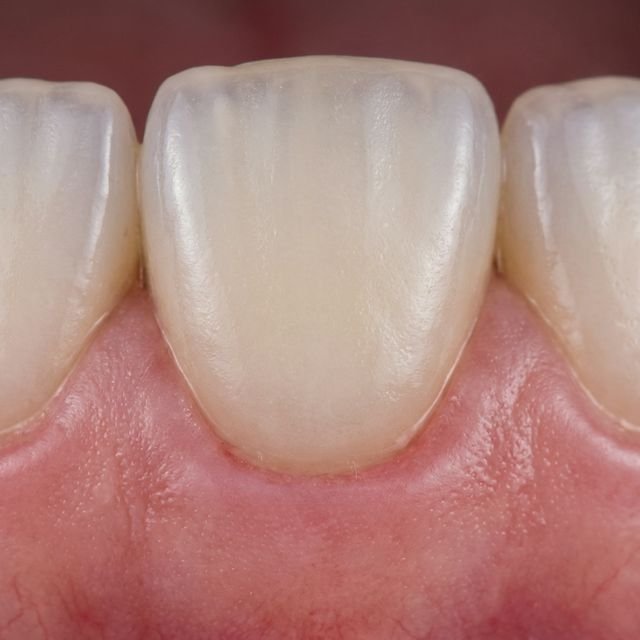
Fit before final cement
The bite, margin, and support teeth decide longevity.
A beautiful crown or bridge still has to seal well, clean well, and carry chewing forces comfortably.
Crowns
Protect weak teeth
Bridges
Replace gaps
Materials
Ceramic options
Key factor
Bite balance

What crowns and bridges do
They are restorations, not just covers.
A crown protects a tooth that has lost strength. A bridge restores a missing tooth space. The planning has to consider the tooth underneath, the gums around it, and the bite above it.
Seal
Margin fit
Support
Tooth strength
Bite
Chewing load
When they help
A crown or bridge is chosen when support matters.
The question is not simply whether the tooth looks broken. It is whether the remaining structure can survive everyday chewing.
Large filling or broken wall
When too much natural tooth is missing, a filling may flex, leak, or fracture. A crown can wrap and protect the remaining tooth.
Cracked or worn tooth
Cracks, heavy wear, and bite overload may need stronger coverage so the tooth can handle chewing forces.
After root canal treatment
Back teeth often need crowns after root canal treatment because they carry heavy chewing pressure and can become more fracture-prone.
Missing tooth gap
A bridge can replace a missing tooth by using neighboring teeth as supports when an implant is not preferred or suitable.
Crown vs bridge
One protects a tooth. One replaces a space.
Single crown
Covers one weakened tooth to restore shape, strength, appearance, and chewing function.
Dental bridge
Replaces one or more missing teeth using crowns on neighboring teeth to hold a false tooth in the gap.
Planning checks
Before the lab makes anything, the foundation is checked.
Tooth foundation
We assess decay, cracks, old fillings, remaining enamel, root canal status, and whether the tooth can support a crown.
Bite pressure
A high or overloaded crown can feel uncomfortable, chip, or wear faster. Bite balance is part of the design.
Margin and gum health
Healthy gums and clean margins help crowns and bridges last longer and look more natural.
Digital scan or impression
The restoration must fit the tooth, neighboring teeth, and opposing bite accurately before the lab makes it.
Material choice
Strength and beauty are balanced tooth by tooth.
The right ceramic depends on where the tooth is, how much force it takes, how visible it is, and whether it is supporting a bridge.
Zirconia
A strong ceramic often used for back teeth, bridges, heavy bite cases, or situations where strength is a priority.
E-max ceramic
Aesthetic ceramic often used where translucency and natural appearance matter, especially visible teeth.
Layered ceramic
Used when the final restoration needs extra character, shade depth, and natural surface detail.
Treatment flow
From diagnosis to final fit.
Diagnose and compare
We decide whether the tooth needs a filling, onlay, crown, bridge, implant discussion, or extraction planning.
Prepare and protect
The tooth is shaped if needed and a temporary crown or bridge protects it while the final ceramic is made.
Lab design
Shade, shape, contacts, bite, and material choice guide the final restoration design.
Fit and refine
The final crown or bridge is checked for fit, bite, comfort, shade, margin, and cleaning access before cementation.
Compare options
Sometimes a crown is not the only answer.
Filling
Works when enough healthy tooth remains and the bite load is not likely to break the restoration.
Onlay
A partial-coverage restoration can protect weak cusps while preserving more tooth than a full crown.
Implant
Replaces a missing tooth independently without preparing neighboring teeth, when bone and health allow.
Denture
A removable option that can replace missing teeth when fixed options are not suitable or preferred.
Aftercare
A crown or bridge lasts better when the edges stay clean.
The ceramic itself cannot decay, but the tooth underneath and the bridge support teeth still need daily cleaning and regular checks.
Avoid hard chewing on temporary crowns or bridges.
Tell us if your bite feels high or uneven.
Clean crown margins every day.
Use floss threaders or interdental brushes under bridges.
Wear a night guard if grinding or clenching is present.
Review old crowns and bridge supports at check-ups.
What affects crown and bridge cost?
Cost depends on the number of units, ceramic material, temporary phase, scans or impressions, root canal or post needs, and bridge complexity.
The best restoration is the one that fits the tooth, not just the gap.
A careful plan can prevent an overlarge filling, an unnecessary crown, or a bridge placed on support teeth that are not strong enough.
Check My OptionsQuestions patients ask
Crowns and bridges FAQs
Book restoration consultation
Find out whether you need a crown, bridge, or a smaller option.
Tell us what broke, what is missing, or what old restoration is failing. We will assess the support, bite, and most sensible next step.