
Permanent Tooth Replacement
Complete guide to dental implants.
Everything a patient usually needs before deciding: what it is, when it helps, how we plan it, what the procedure involves, and how to care for the result.
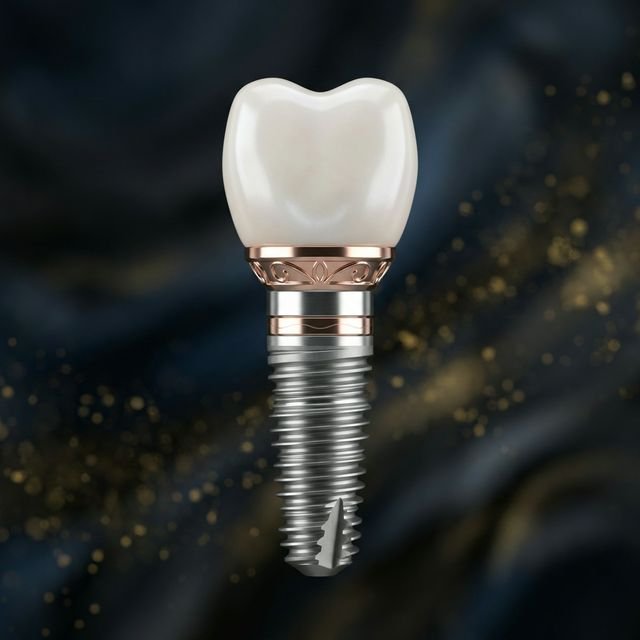
Covers
Suitability
Explains
Procedure
Includes
Aftercare
First, we check the foundation
A strong implant starts with precise planning.
Implant planning starts with bone, gum, bite, and smile-line assessment so the replacement tooth has the right foundation.
Position, bone support, gum shape, and crown design all work together to make an implant feel natural.
Gaps can affect chewing, tooth movement, bone support, and confidence. Planning early keeps more options open.
Implant treatment is planned from the final tooth backward: crown, bite, gum, bone, then surgery.
Bone, gum, and healing stages decide how fast treatment can move.
Good fit or not?
Implants are suitable when the mouth has the right foundation for a fixed replacement.
We use the consultation to confirm whether dental implants is the right route, or whether another step should happen first.
Usually suitable when
You are missing one or more teeth.
A tooth is failing and replacement planning is needed.
Loose dentures affect eating or confidence.
You want a fixed option that does not rely on removable teeth.
We may treat something first when
Gum disease must be controlled before implant placement.
Low bone volume may need grafting or a different plan.
Smoking, diabetes, or medical factors may affect healing and suitability.
Full procedure
What happens step by step
Start with the real concern
We assess your bite, bone volume, gum health, medical history, and replacement goals before recommending an implant plan.
Bone map
CBCT imaging helps us see bone height, width, and nerve position.
Bite review
We check how the implant crown will meet the opposing teeth.
Restore plan
We plan the visible tooth shape before surgical placement is finalized.
Analyze
CBCT scan to map your bone density and nerve position.
Place
The titanium implant is precisely placed in a minor procedure.
Restore
After healing, the final crown is attached for full function.
Aftercare and maintenance
We give you instructions specific to dental implants so you know what to expect after treatment.
Treatment choices
Implant plans we may compare
Implant treatment is planned from the final tooth backward: crown, bite, gum, bone, then surgery.
Option 01
Single implant crown
Replaces one missing tooth without preparing neighboring teeth.
Option 02
Implant bridge
Uses fewer implants to replace several missing teeth in a row.
Option 03
Bone graft or sinus lift
Builds support where the existing bone is not enough.
Option 04
Implant-supported denture
Adds stability to a removable denture in suitable cases.
Aftercare
How to protect the result
Keep the surgical area clean without disturbing it.
Use soft foods while the implant site begins healing.
Avoid smoking because it can slow healing.
Take prescribed medication exactly as directed.
Attend review visits so healing can be checked.
Maintain professional cleaning around the implant long term.
Cost factors
Implant cost depends on the number of implants, imaging, bone grafting needs, surgical complexity, and the final crown or bridge design.
Questions to ask before you decide
Is dental implants the right treatment for my main concern?
What needs to be treated first for health or stability?
What result is realistic for my teeth, gums, bite, and timeline?
What maintenance will I need after treatment?
FAQs
Common questions about dental implants
Ready for a clear answer?
Book your dental implants consultation.
Bring your questions. We will explain what applies to your mouth, what can wait, and what should be handled first.
Back to Main Page